Answer
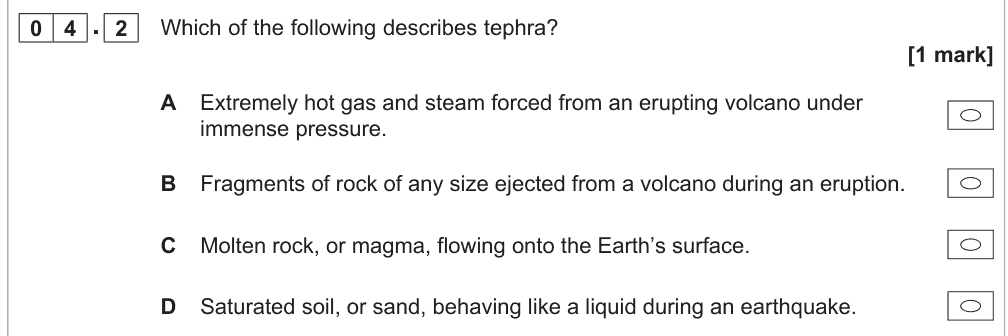
B
Mark scheme

Examiner's comment
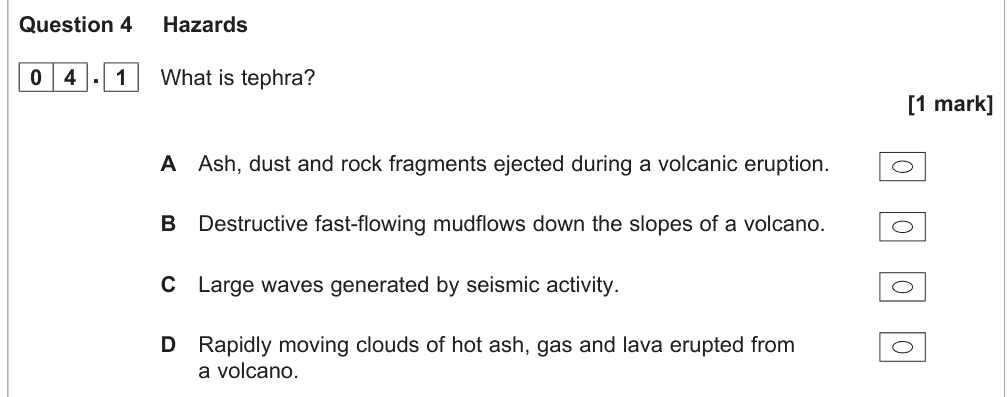
This question performed similarly to 4.1, with 66% accurately choosing option B.
Notes from the mark scheme and report
- Answer: B
- rock fragments of any size ejected in an eruption
- 66% correct
In the board's own words. Tick these off on the checklist.
| Series | Paper | Q | Marks | Title |
|---|---|---|---|---|
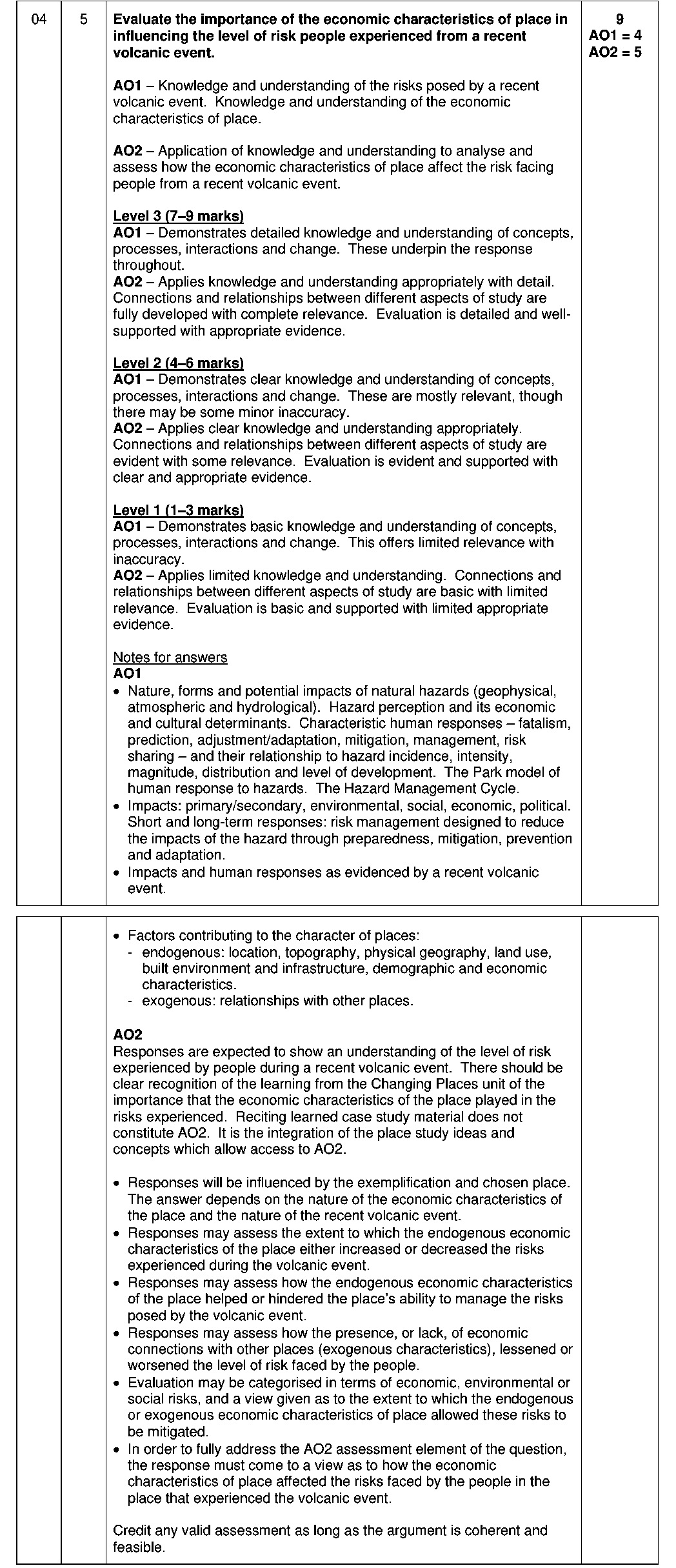
| June 2024 | AS Paper 1 | 4.5 | 9 | Evaluate the importance of the economic characteristics of place in influencing the level of risk people experienced from a recent volcanic event. |
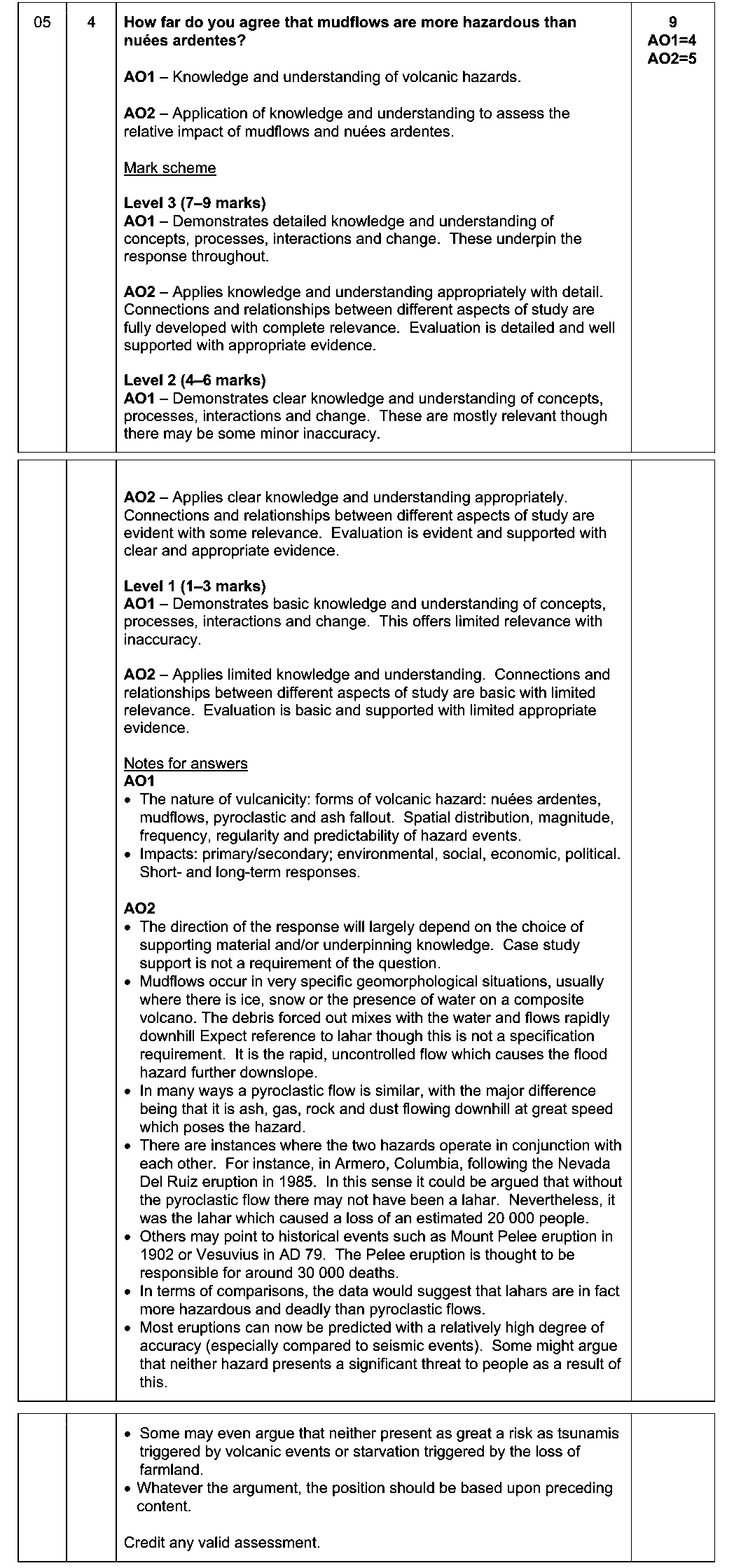
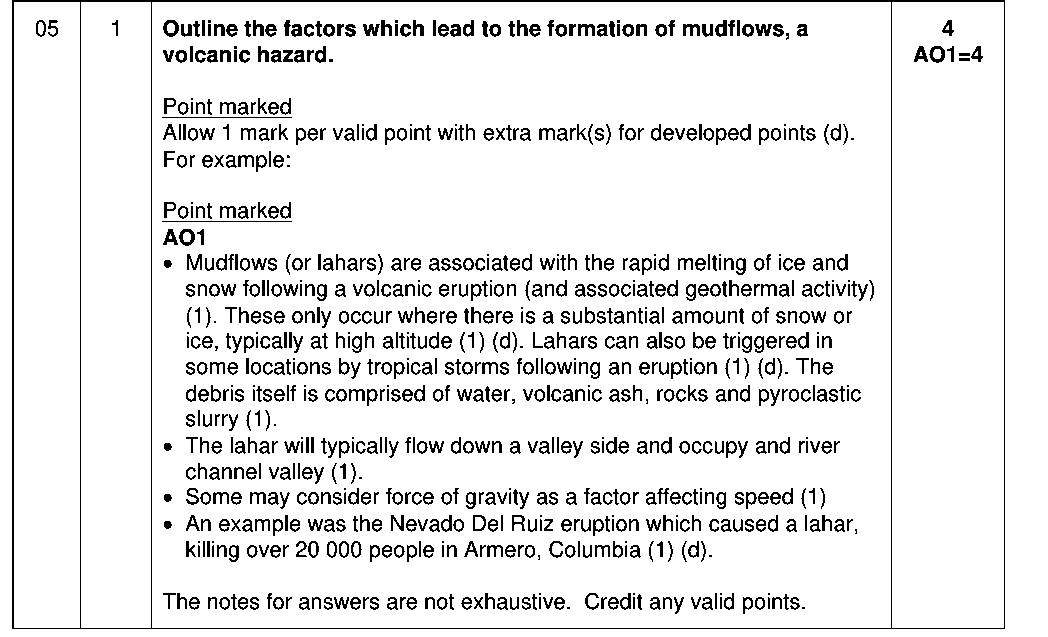
| June 2023 | Paper 1 | 5.4 | 9 | How far do you agree that mudflows are more hazardous than nuées ardentes? |
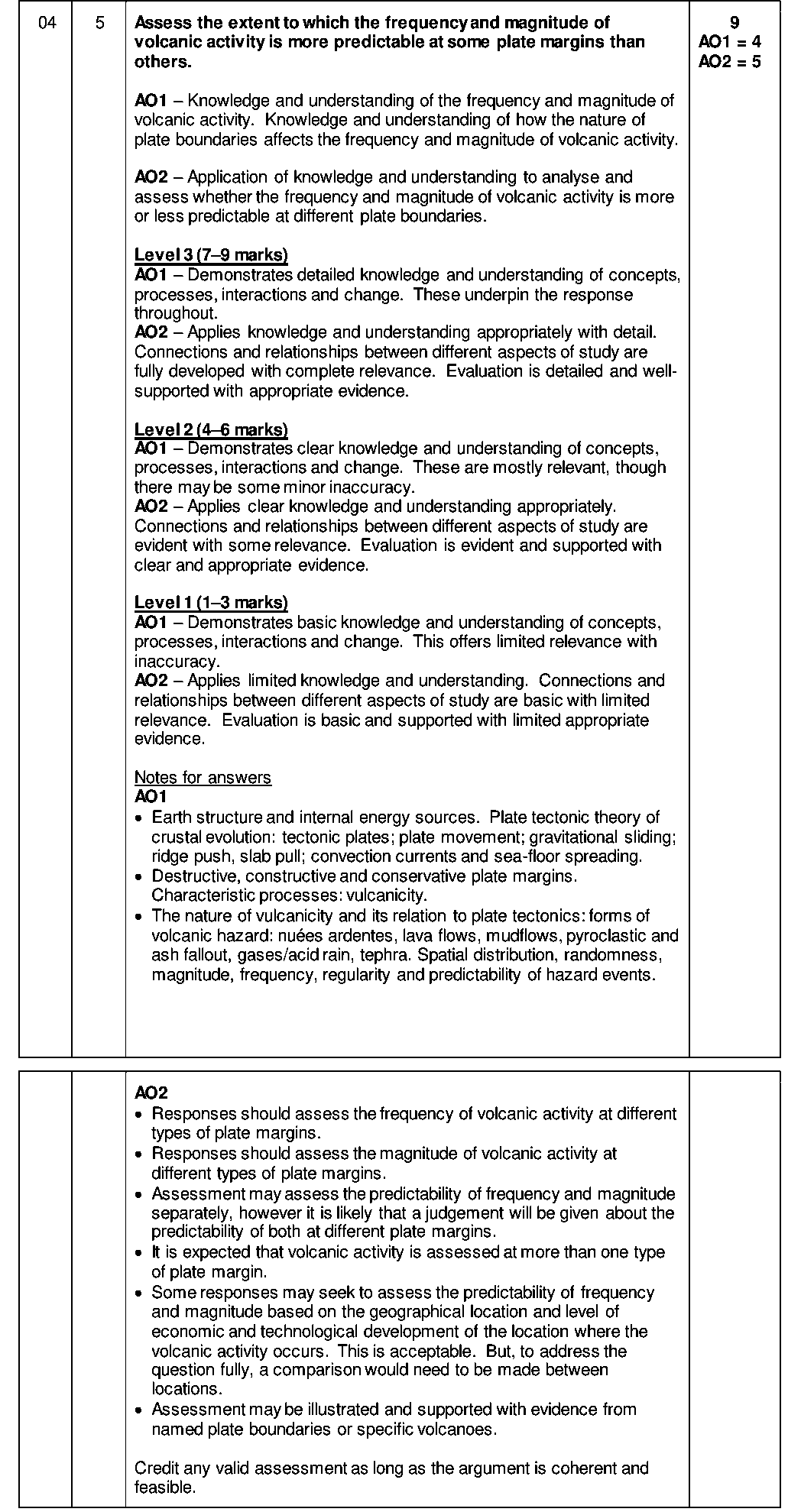
| June 2022 | AS Paper 1 | 4.5 | 9 | Assess the extent to which the frequency and magnitude of volcanic activity is more predictable at some plate margins than others. |
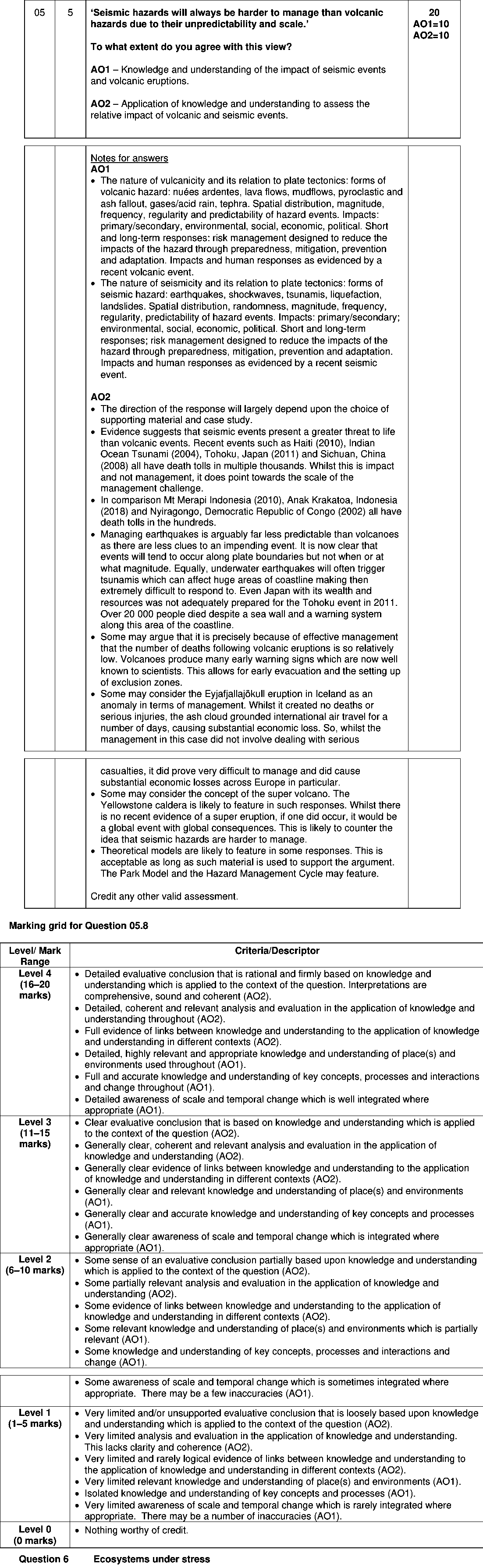
| June 2022 | Paper 1 | 5.5 | 20 | ‘Seismic hazards will always be harder to manage than volcanic hazards due to their unpredictability and scale.’ To what extent do you agree with this view? |
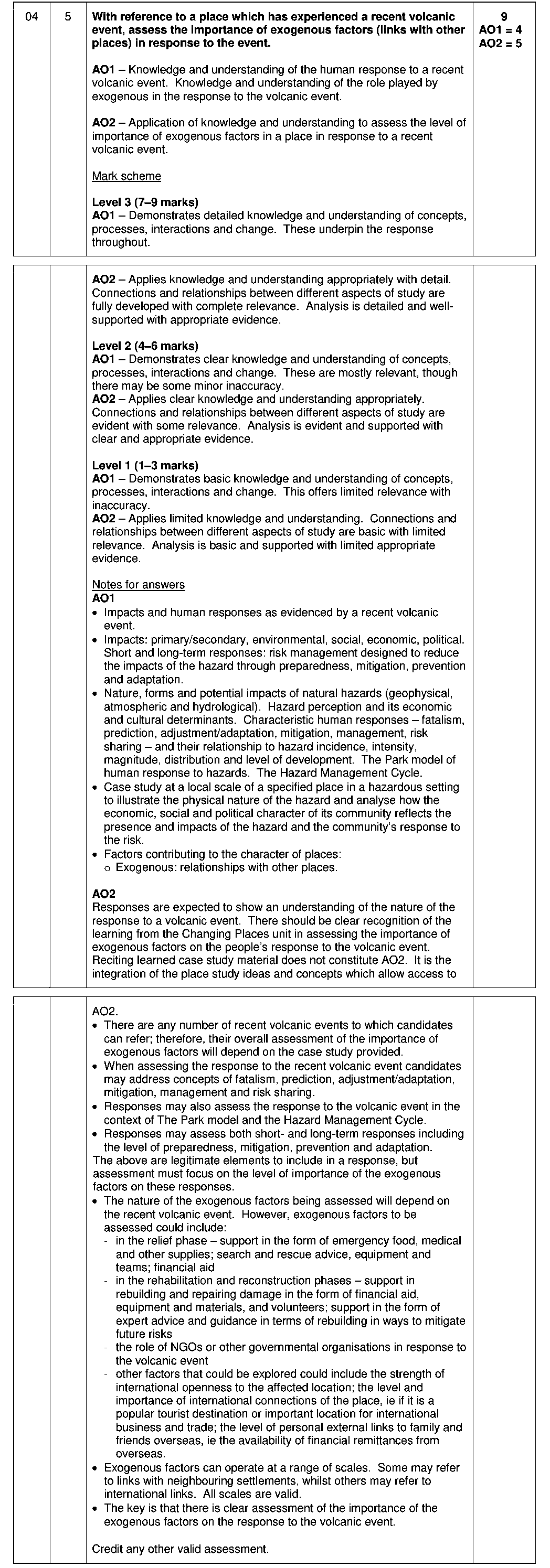
| June 2019 | AS Paper 1 | 4.5 | 9 | With reference to a place which has experienced a recent volcanic event, assess the importance of exogenous factors (links with other places) in responding to the event. |
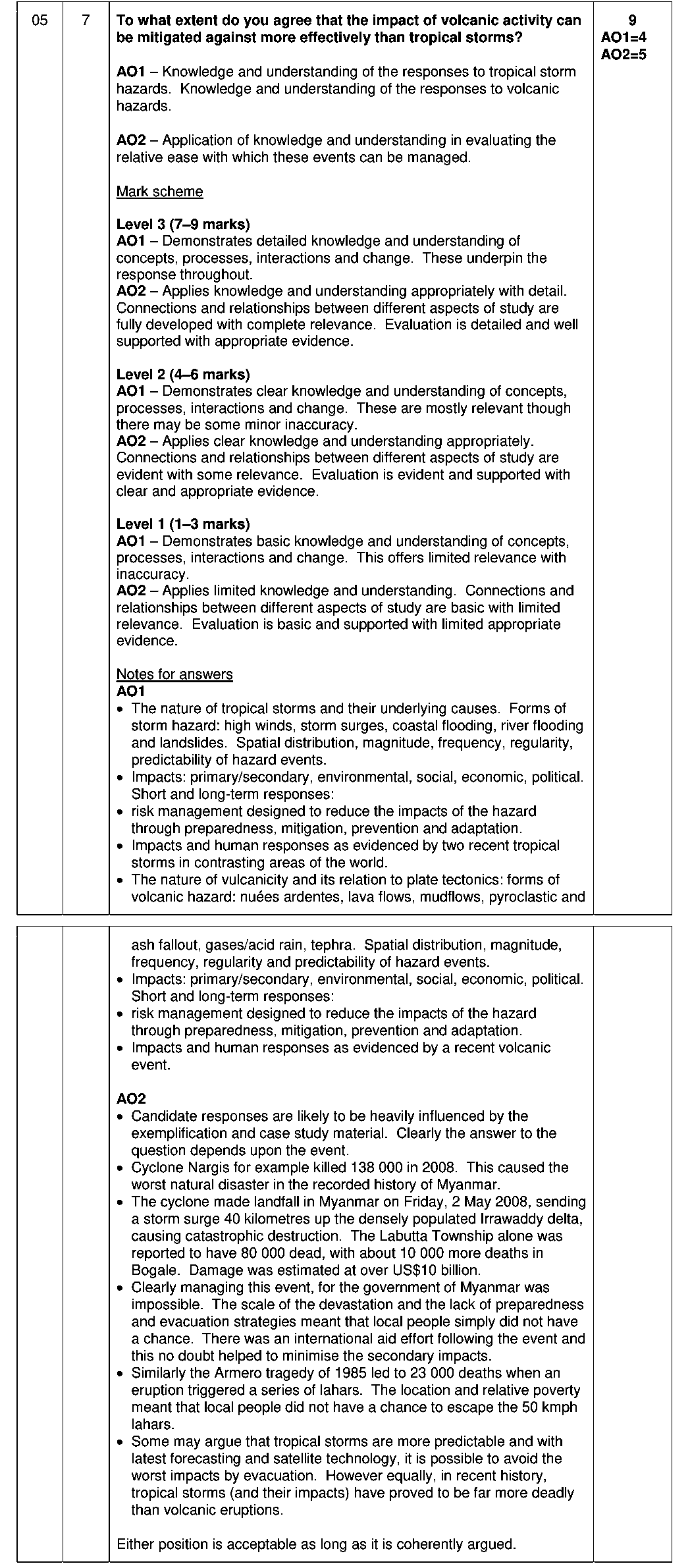
| June 2019 | Paper 1 | 5.7 | 9 | To what extent do you agree that the impact of volcanic activity can be mitigated against more effectively than tropical storms? |
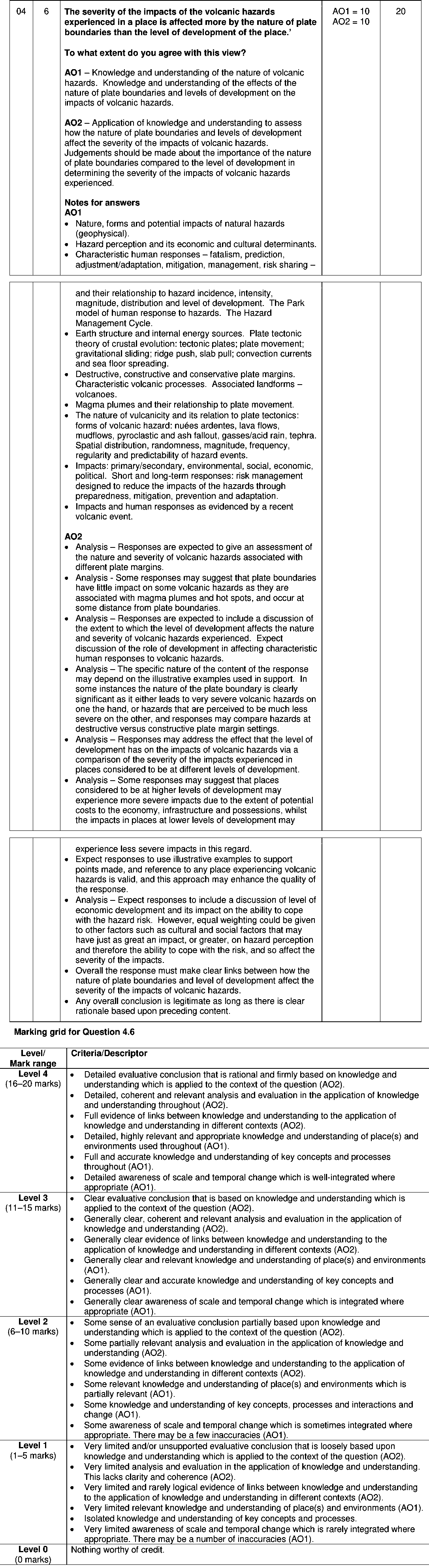
| June 2018 | AS Paper 1 | 4.6 | 20 | ‘The severity of the impacts of the volcanic hazards experienced in a place is affected more by the nature of plate boundaries than the level of development of the place.’ To what extent do you agree with this view? |
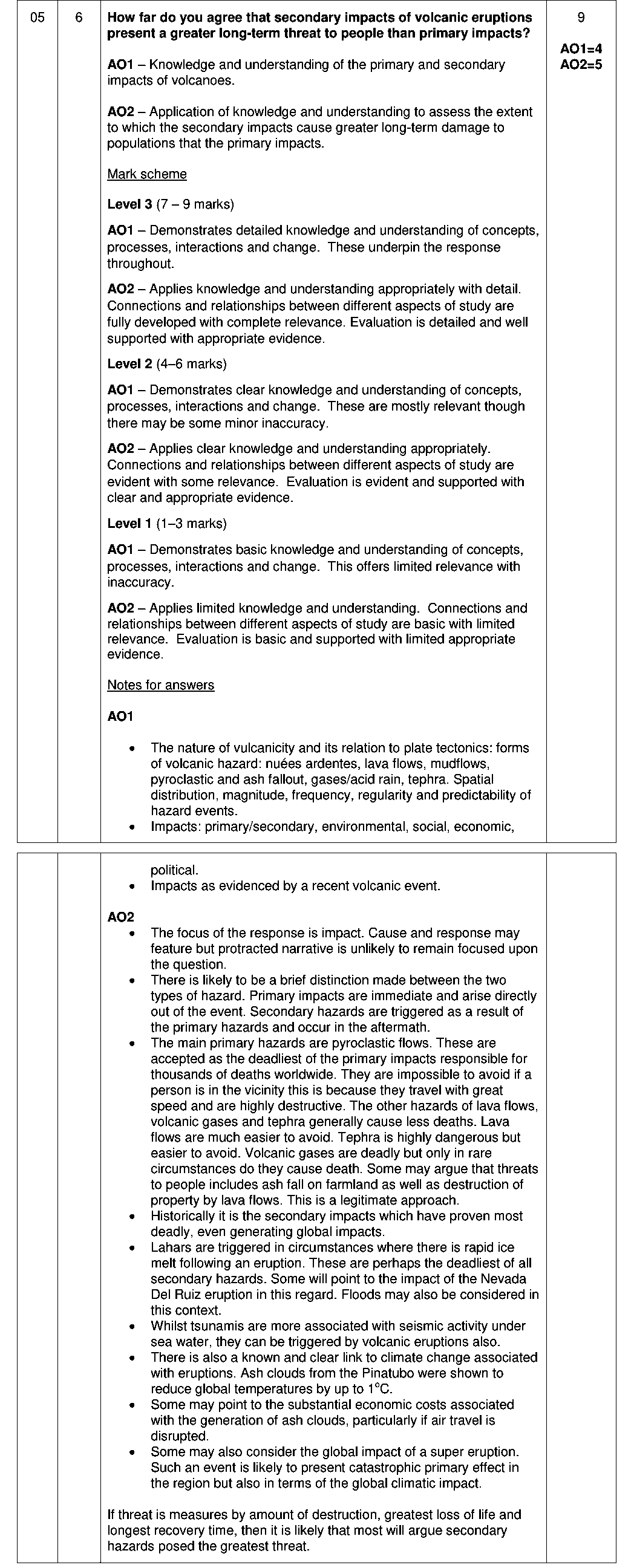
| June 2018 | Paper 1 | 5.6 | 9 | How far do you agree that secondary impacts of volcanic eruptions present a greater long-term threat to people than primary impacts? |
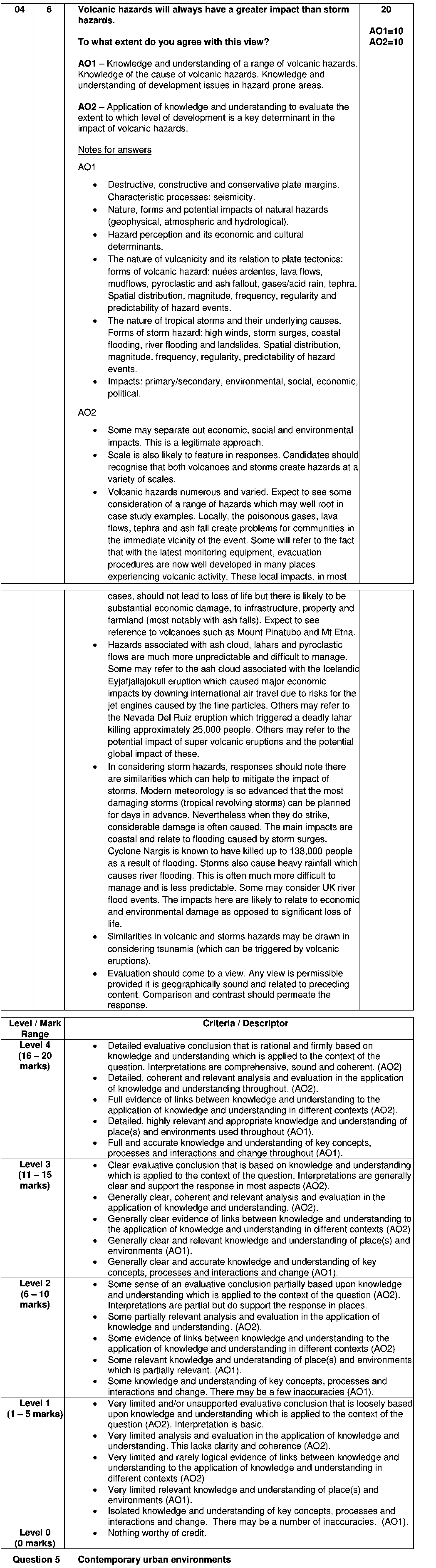
| June 2017 | AS Paper 1 | 4.6 | 20 | Volcanic hazards will always have a greater impact than storm hazards. To what extent do you agree with this view? |
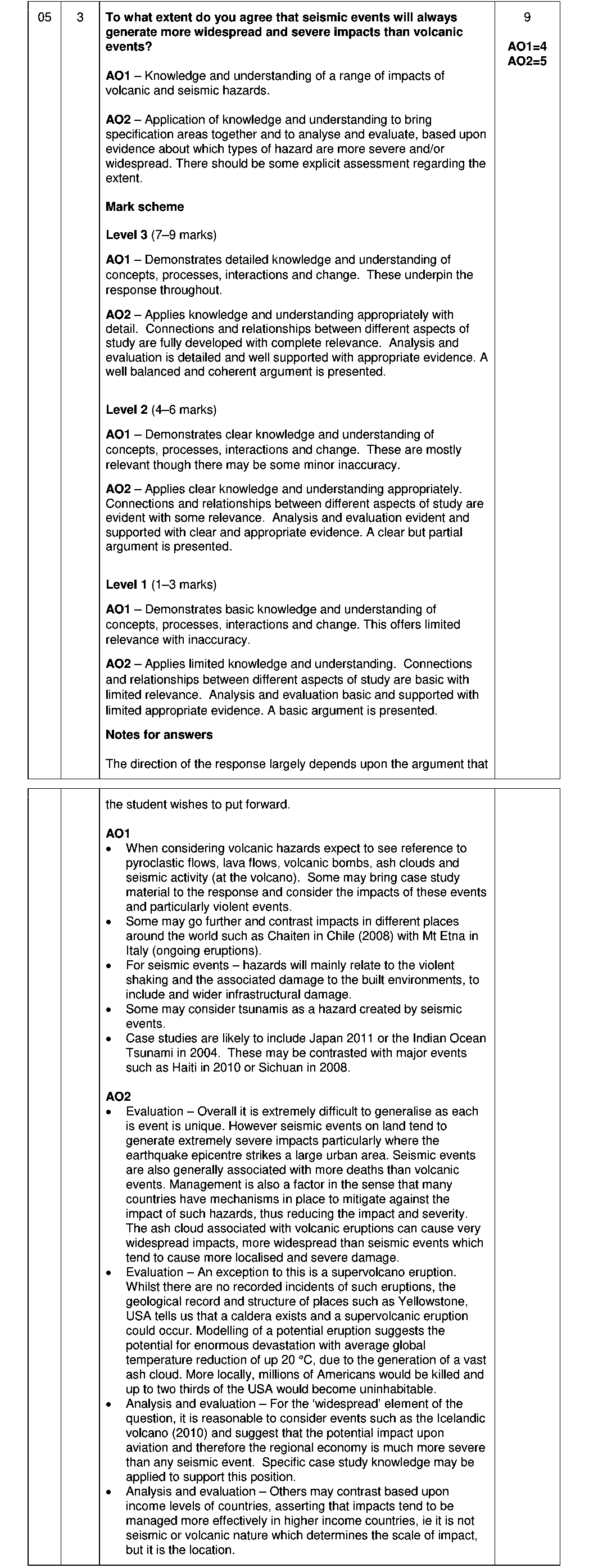
| Specimen set 1 | Paper 1 | 5.3 | 9 | To what extent do you agree that seismic events will always generate more widespread and severe impacts than volcanic events? |
B
This question performed similarly to 4.1, with 66% accurately choosing option B.

This question differentiated well, with a mean mark of 5.12 and over 80% of students getting into Level 2 or higher, and over 1/3 managing to score in Level 3. The best responses had clear knowledge and understanding of an appropriate recent volcanic event, whilst identifying that this was the across specification link question requiring application of knowledge and understanding from the Changing Places unit. Where the link was identified the best responses identified 2 or more specific economic characteristics of place. The importance of these specific factors was then evaluated in relation to the specific volcanic event, with clear details in support. Answers that did not score well, either lacked an appropriate case study, or lacked focus on specific economic characteristics of place, instead focusing on generic levels of economic development at a national level. The specification requires students to study one recent volcanic event. A very significant number of responses tried to compare one event to another. This could score credit. However, with the time and space limitations on this 9-mark question, this made it difficult for students to develop the specific detail required for the higher level. Focusing on just one event, as prescribed in the specification would have allowed scope for more specific detail to emerge.
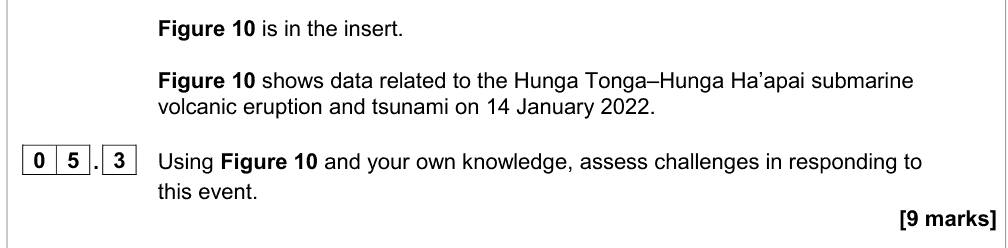
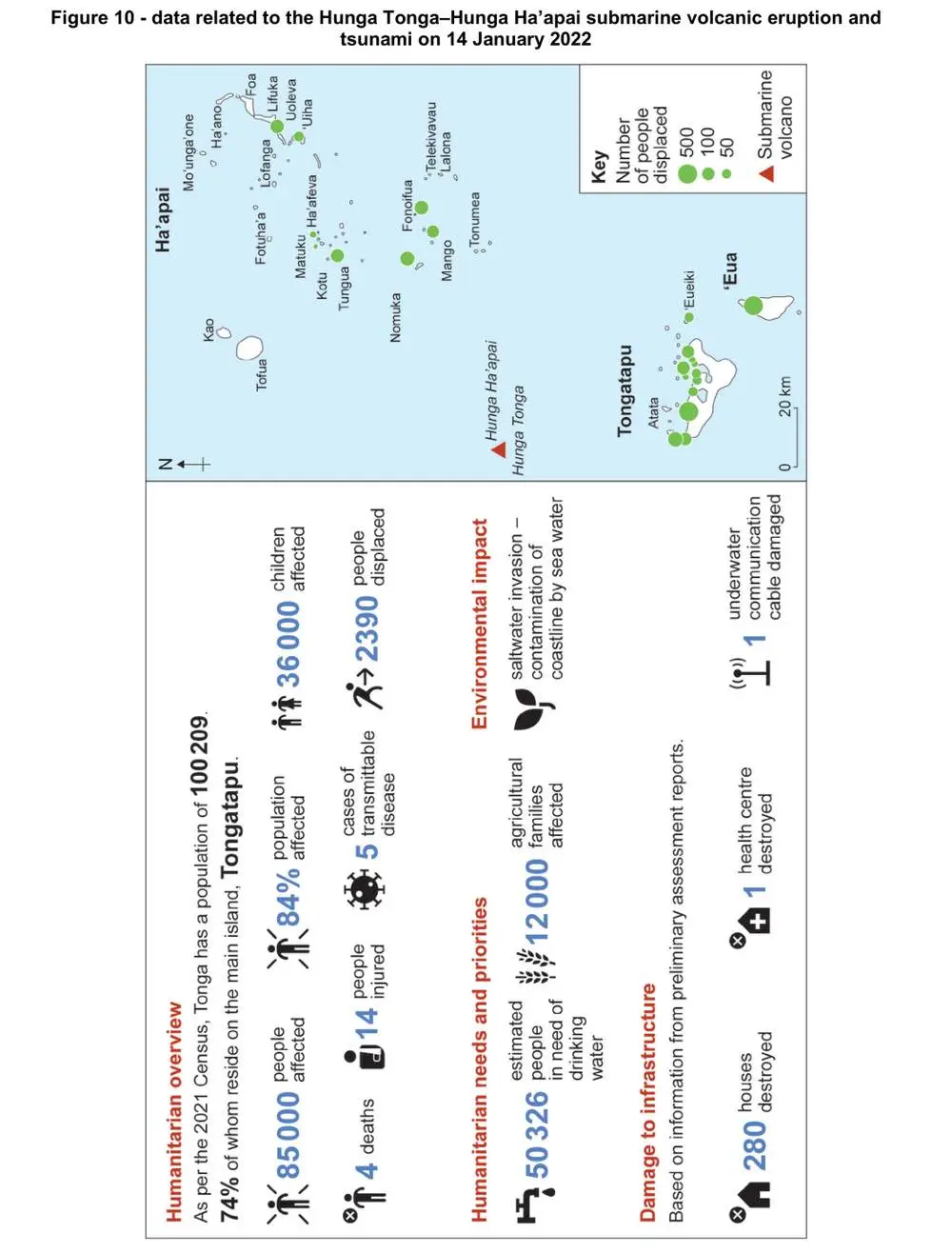
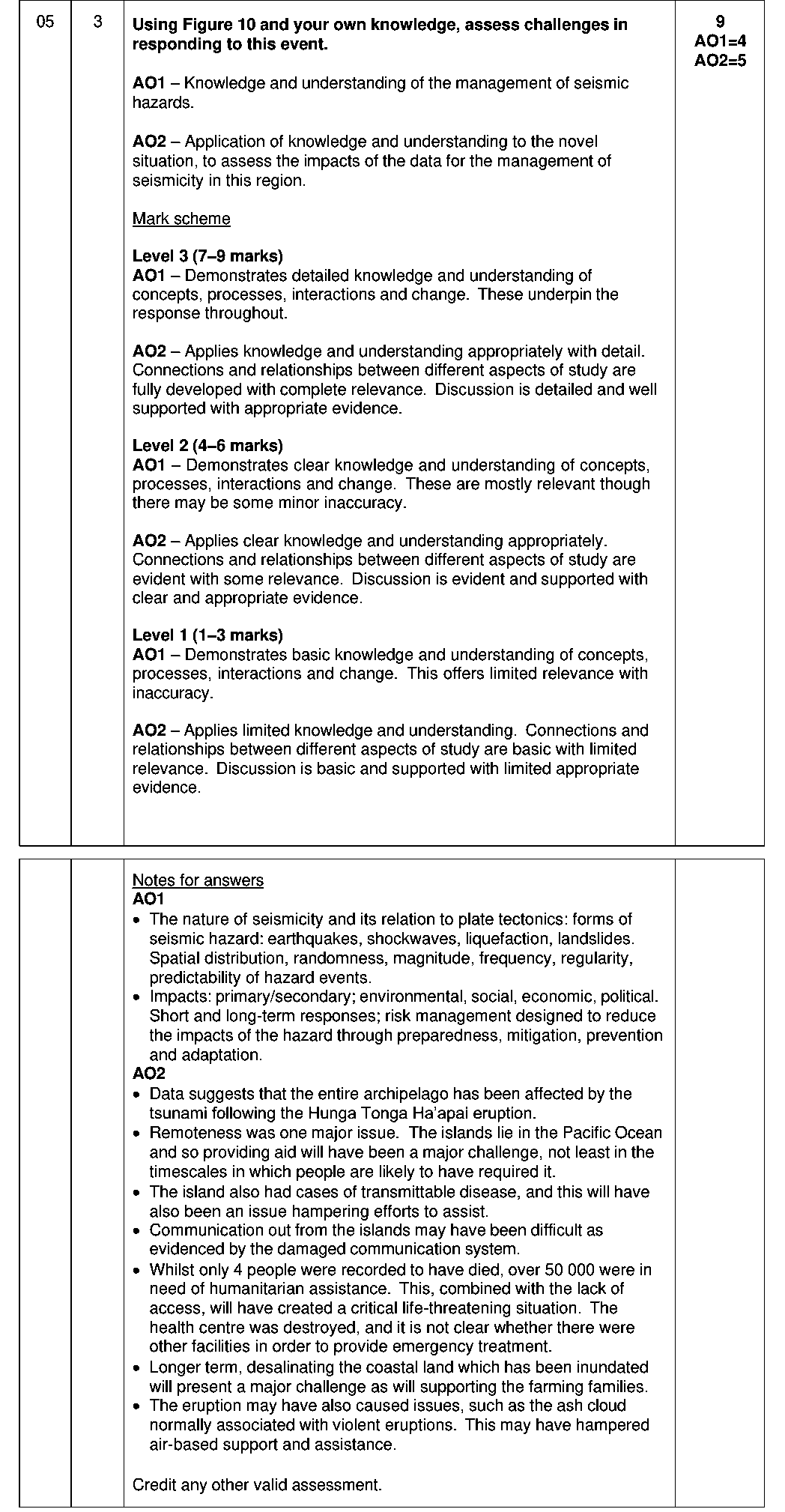
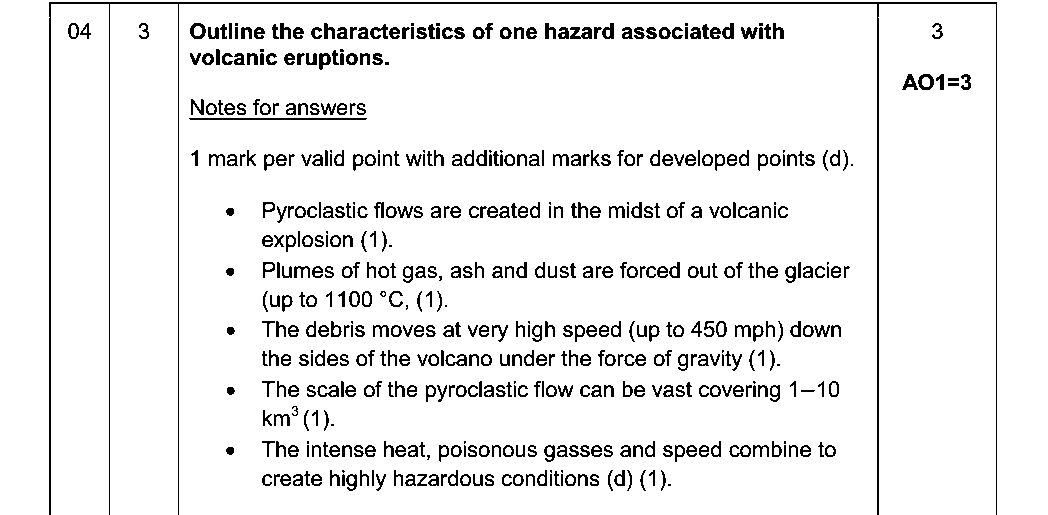
For the novel situations (the .3 questions on each unit), many students have now got to grips with this style of question. The key is that students need to bring their own knowledge and understanding to the question i.e. bring something new which has not already been provided in helping to answer the question. For the novel situations (the .3 questions) those who reworked and regurgitated the information provided without bringing any of their prior learning, really struggled to score credit. The typical issue with questions of this nature is related to students either: interfacing solely with the resource and analysing it (i.e. demonstrating AO3); or simply drawing on knowledge linked to the thrust of the question without linking to the resource i.e. demonstrating AO1 only. Q5.3 and Q6.3 were particularly effectively attempted. In the response below, the student clearly takes the information from the novel situation (the volcanic eruption) and applies their understanding of hazard responses to the information provided. In this case the student quite sensibly identifies a number of challenges associated with the scale and remoteness of the event. It could still have been improved a little further but did score Level 3 and 8 marks.
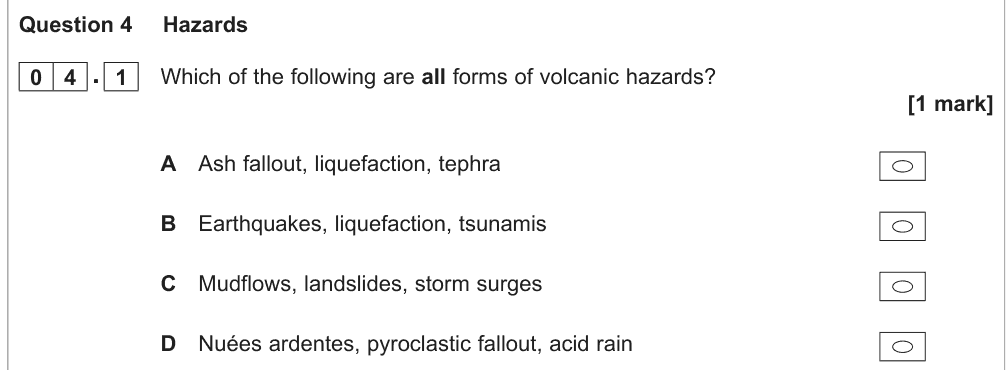
D
Most students answered these multiple-choice questions correctly.

The 9-mark AO1/AO2 questions in Section C generally caused no major issues. The key differentiator was around those who understood the key terms of the specification (nuees ardentes in Q.5.4 and regions experiencing ecological change in Q.6.4). For Q.5.3 some students did not know what was meant by the term nuée ardente. Similarly, those students who did not understand what could be considered as a region experiencing ecological change also struggled to answer this question. The key point here is that understanding of the required content of the specification, including the geographic terms used, is absolutely key to a successful response. Q.5.3 was problematic if students did not what was meant by the term nuée ardente. Similarly, those students who did not understand what could be considered as a region experiencing ecological change (Q.6.3) also struggled to answer this question. Q.5.4 is a reminder that all areas of content can be examined over the lifetime of the specification. Too many simply did not know the hazards created by nuees ardentes. This limited those responses. Those who knew the two hazards and offered some reasonable support could readily access L3 provided they made some sort of assessment. This one (Q.5.3) scored L3 – 8 marks. The example below had no obvious awareness of nuée ardente though did come to a view. Nevertheless, it was still held to L1 – 3 marks.

This question differentiated quite well, with almost 2/3 of students getting into Level 2 or higher, and only about 15% getting in to Level 3. The best responses had clear knowledge and understanding of the tectonic processes operating at different plate margins. These often also evidenced a clear grasp of how the nature of volcanic activity differed at these different boundaries. It was envisaged that most students would take a theoretical approach, and then possibly support points with some specific detail or evidence from a named example. Many did do this, but a significant number also made case studies of volcanoes in different tectonic settings the focus. This was creditworthy. Again, the best answers gave very clear assessment, and came to a clear view of the predictability of volcanic activity in different settings. The weakest answers displayed very little knowledge and understanding of either the nature of different plate margins or volcanic activity.

It was surprising to note that many of the students did not know what a mudflow was in the context of volcanic hazards. Some drifted into the characteristics of mudflows and the damage they can cause without actually addressing the factors leading to the formation of them. There was no credit for this.

This was another highly accessible question which allowed students full access of the mark range depending on their preparation. The main differentiators related to the depth of support and the quality of the argument. Most agreed with the statement, though some considered the super volcano concept or Pinatubo eruption as evidence of global impact, thus challenging the statement. In this sense, they split predictability and scale and produced quite sophisticated responses.
A figure for this question was removed from AQA's published paper for copyright reasons.
A

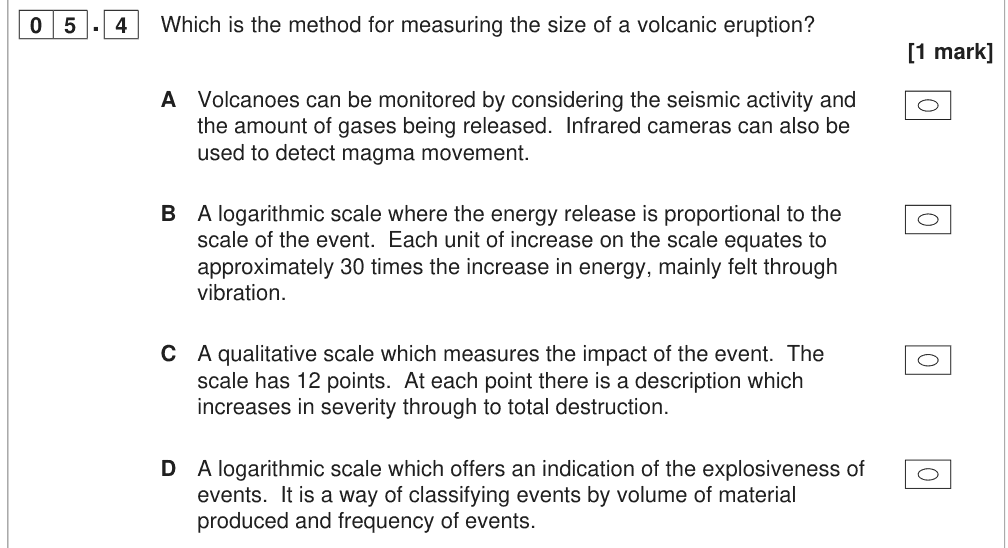
D
Around half of the responses identified D as correct. Many confused this with distractor A ie monitoring tools for volcanic activity, rather than the Volcano Explosivity Index (VEI) which is described in option D.
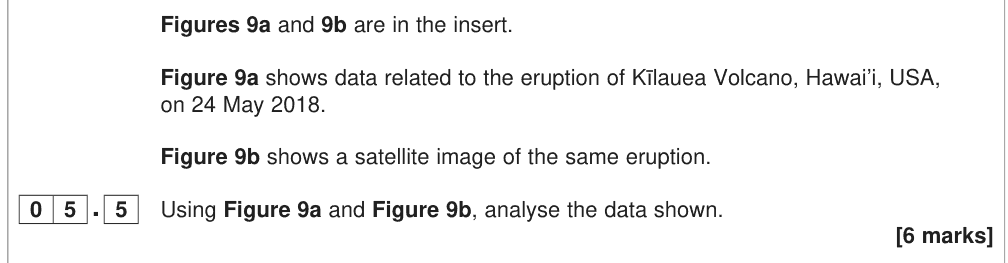
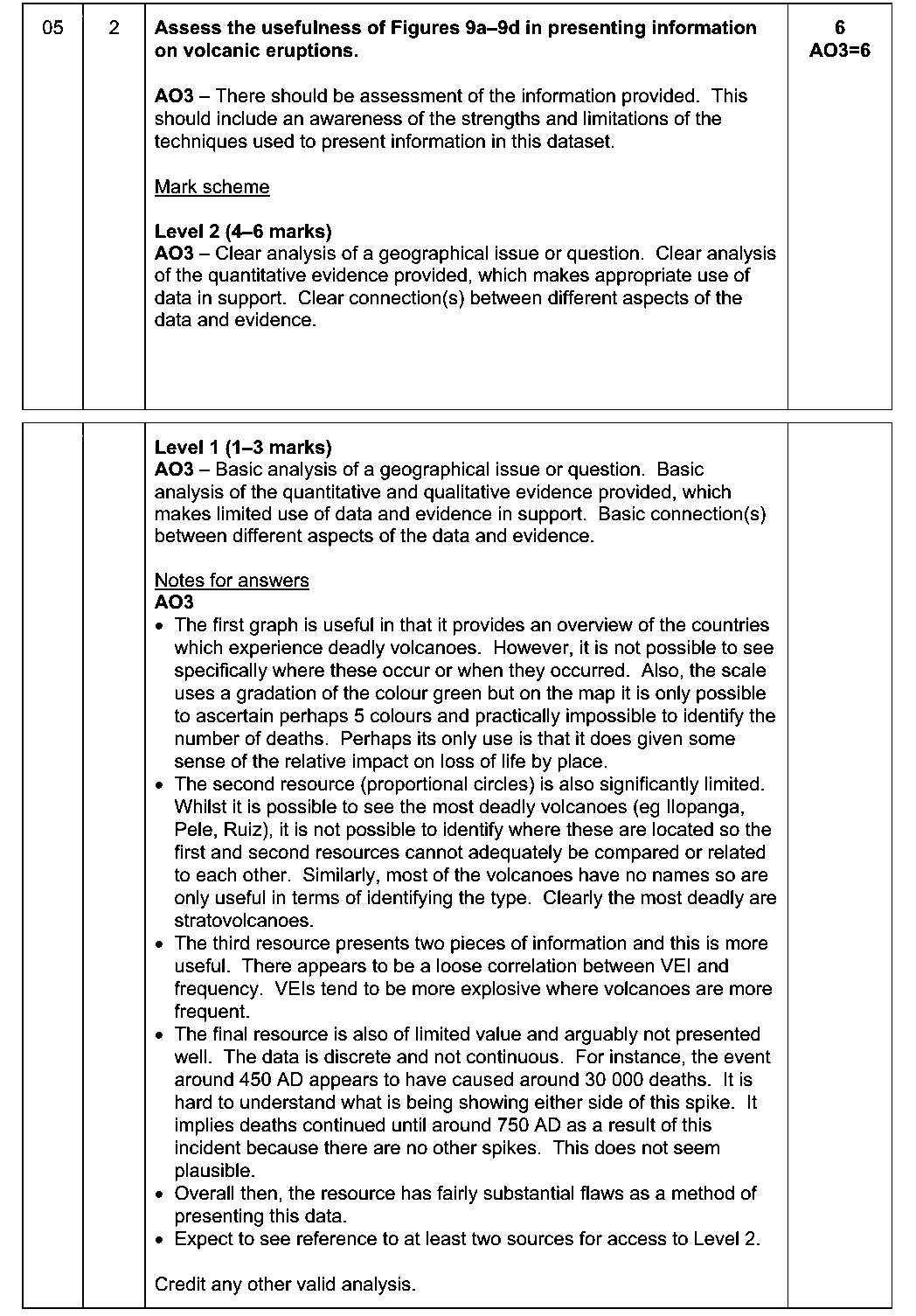
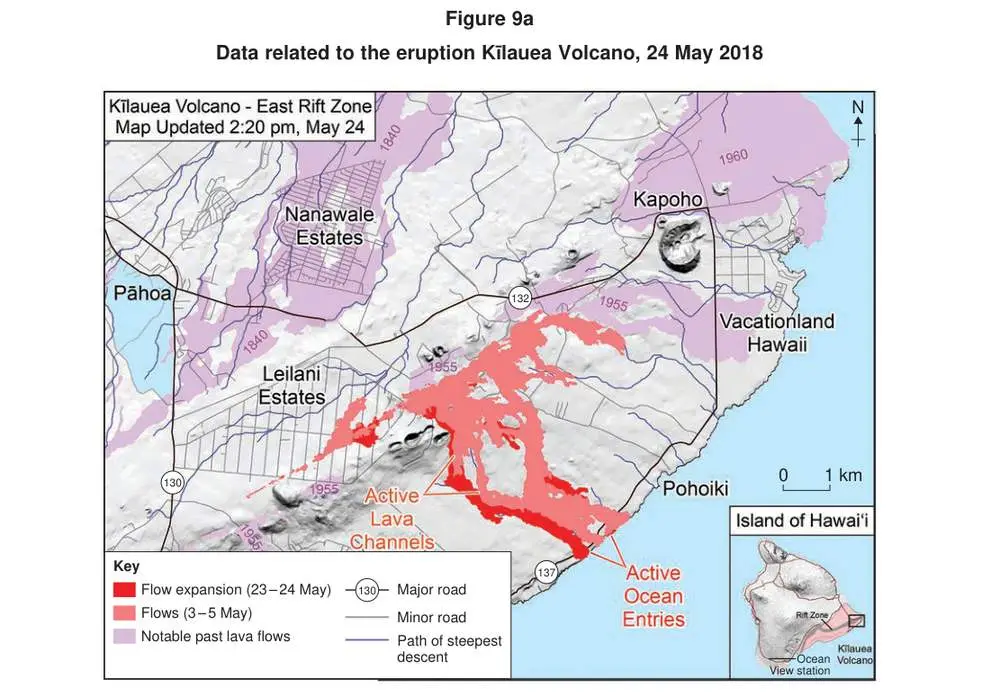
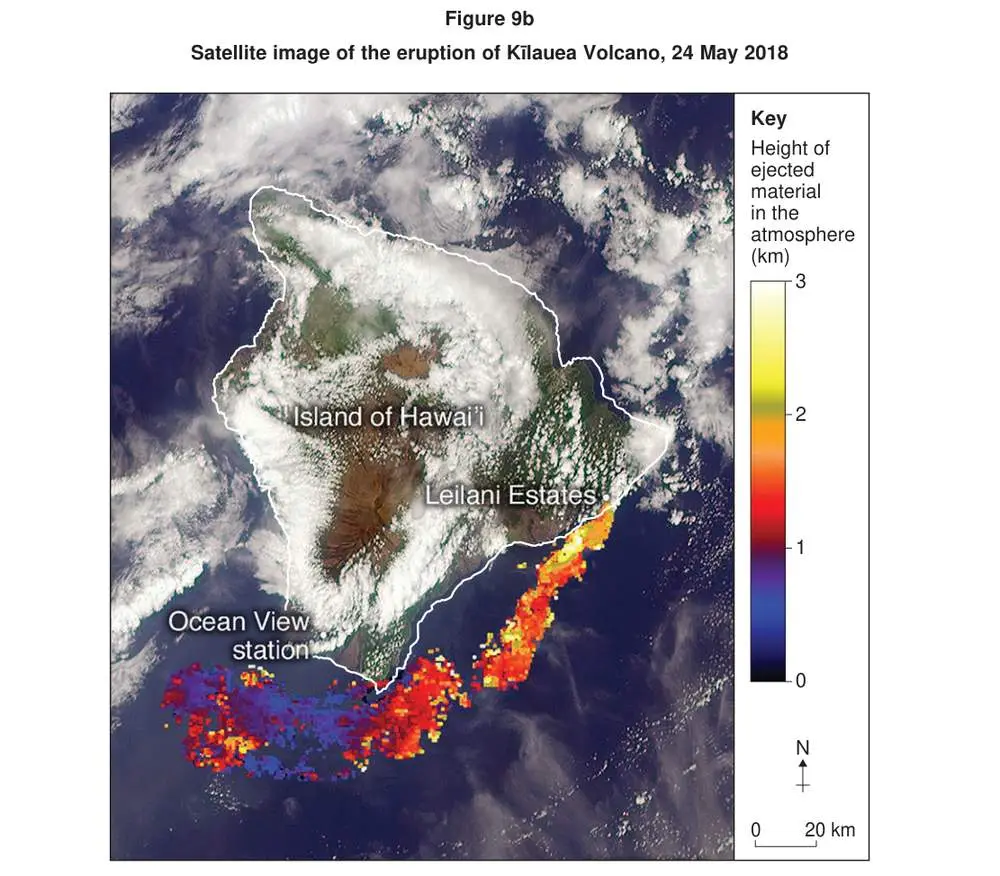
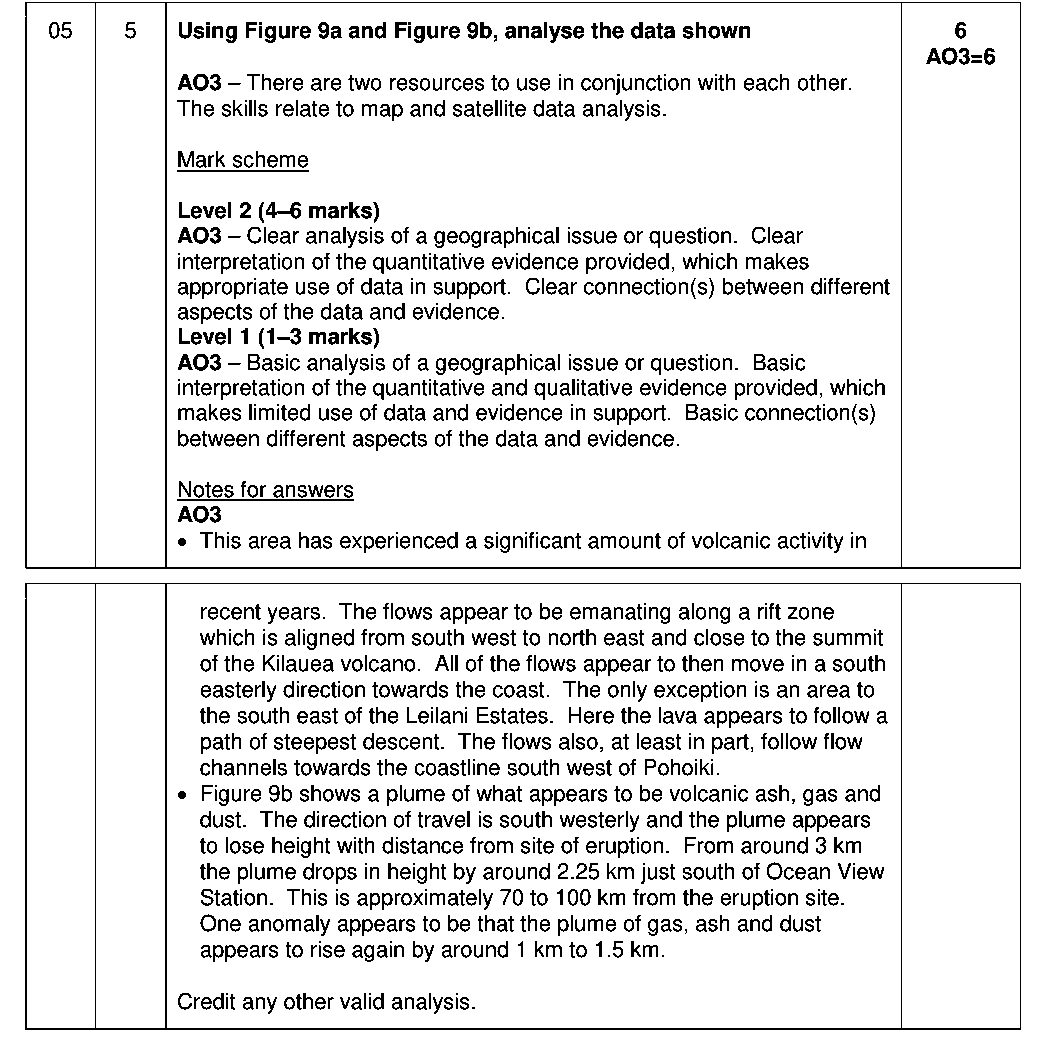
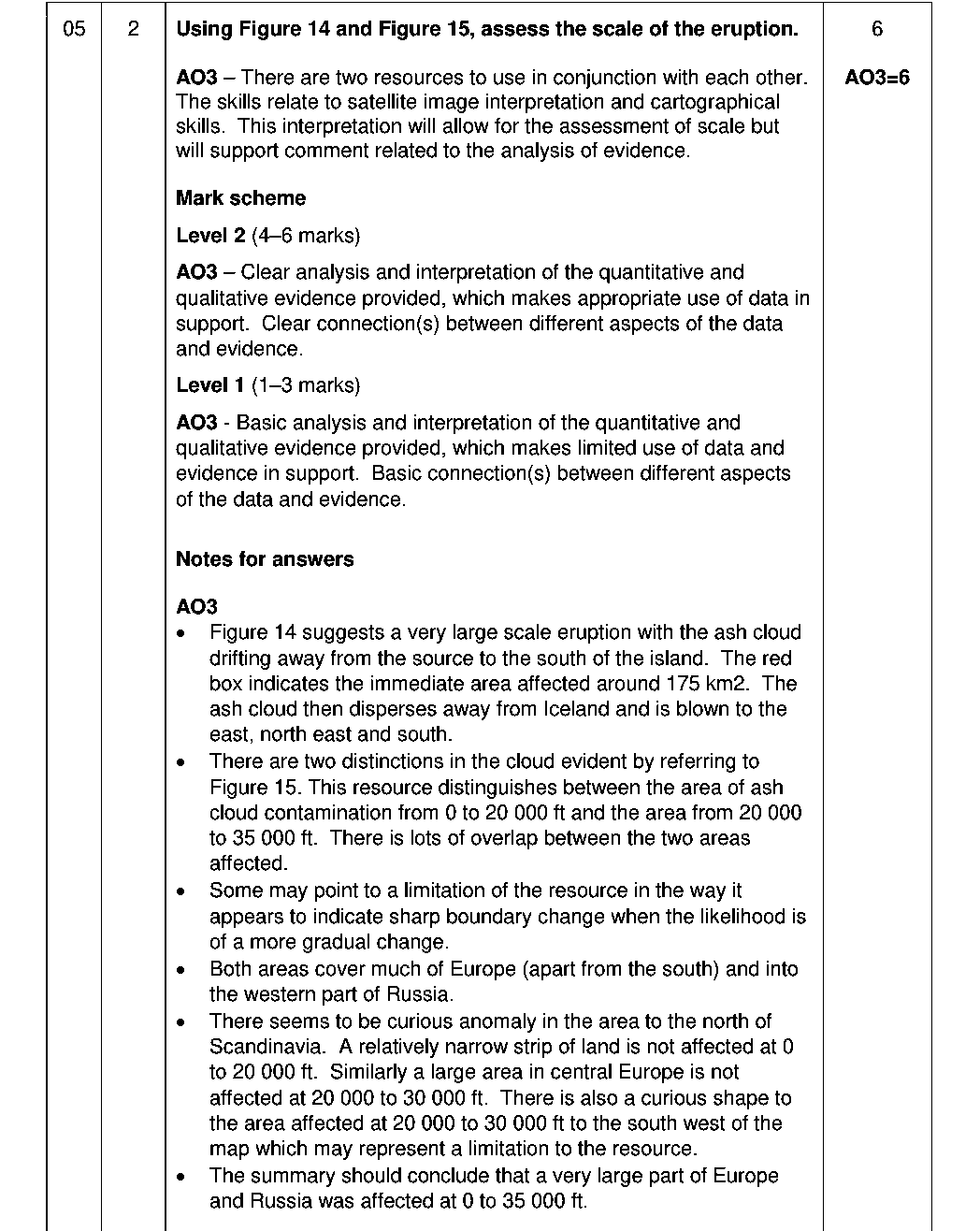
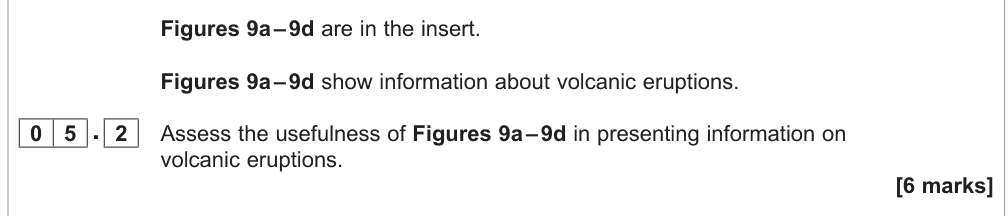
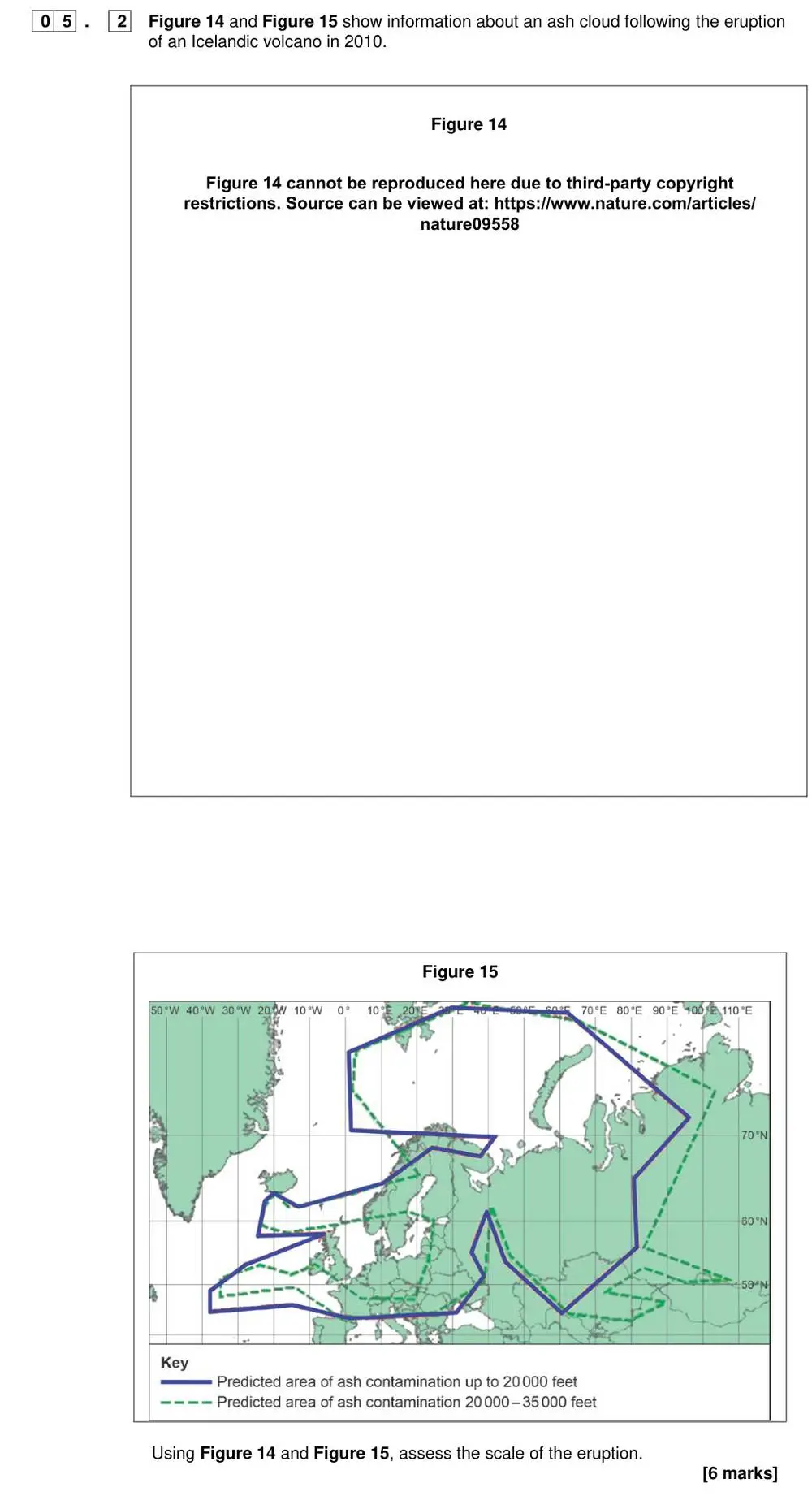
Opportunities to clearly engage with the resource were missed by many students. A number did access level 2 but few scored full marks. In this type of question, students should look for patterns; in this case, how the latest flow compared with previous flows or how the direction of flow varied. Students should also look for analysis of scale and area of coverage. Relatively few did this and instead focused on describing potential impacts and disruption cause by the eruption. This constituted AO2 and was not credited. Figure 9b was more effectively engaged with. Many did consider the scale of eruption and direction of ejected material. Many noted the gradual reduction in height of ejected material with distance from the source of the eruption.

Students were free to argue either way, meaning that responses were very varied. Indeed, these question types are generally constructed in order to allow any reasonable geographically based argument. Evidence suggests that storms are harder to mitigate, as it is tropical storms which are responsible for the greatest loss of life year on year across the world. However, it is equally true to suggest that storms are much more frequent events affecting greater concentrations of populations across the world. The key to success was the nature and quality of support and it was generally used well whichever particular argument was being pursued. Where it was used descriptively, without engagement with the evaluative nature of the question, responses struggled to gain higher marks.

This question differentiated reasonably well with 47% of candidates reaching Level 3 or higher. This suggests that alongside these clear, and at times detailed, responses there were many that did reach this level of clarity. The better answers were rooted in located examples. Many good responses were able to give clear and detailed AO1 knowledge and understanding of the nature of plate boundaries and the impact this has on the frequency, severity and magnitude of the volcanic events experienced. These also explored how the level of development of the place affected the level of impact. Many explored the extent to which the level of development affected the level of vulnerability, ability to cope and any mitigation that may be in place. This was creditworthy. Some made general statements that implied low levels of development inevitably led to more severe impacts. Whilst others made assessment relating to specific locations. Some of the weakest responses had very limited awareness of the nature of volcanic activity in different tectonic settings. It was difficult for these responses to move beyond Level 2 as partial responses. Generally, it was the quality of assessment that moved responses through the levels. It is worth reminding centres that both 20-mark questions in section B will not have direct links to the identified specification content. Students need to be prepared to use their knowledge and understanding of content, concepts and processes. This should then be applied to the context of questions, rather than a narrative approach of reciting learned materials which some more limited responses showed.
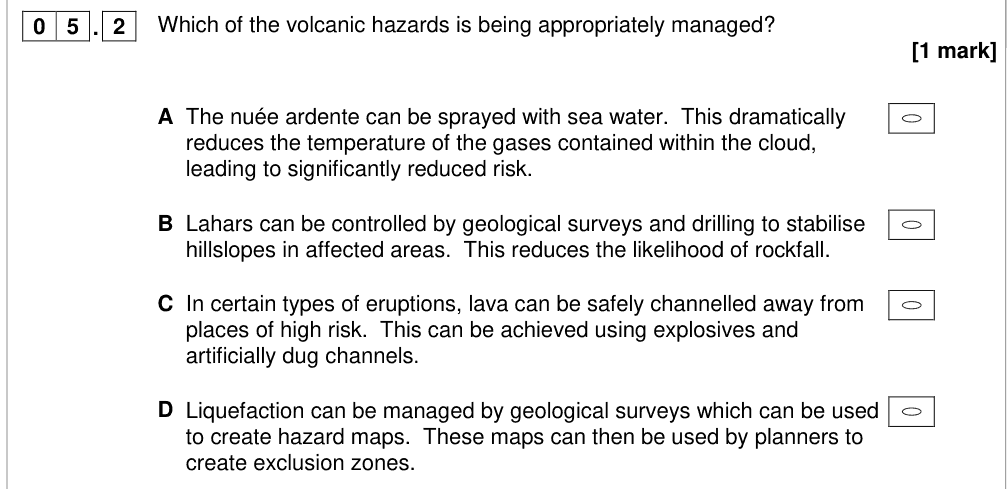
C
Many failed to identify C as the correct answer. They either chose D (which is a seismic hazard) or B which is not an accurate description of how to manage a lahar.
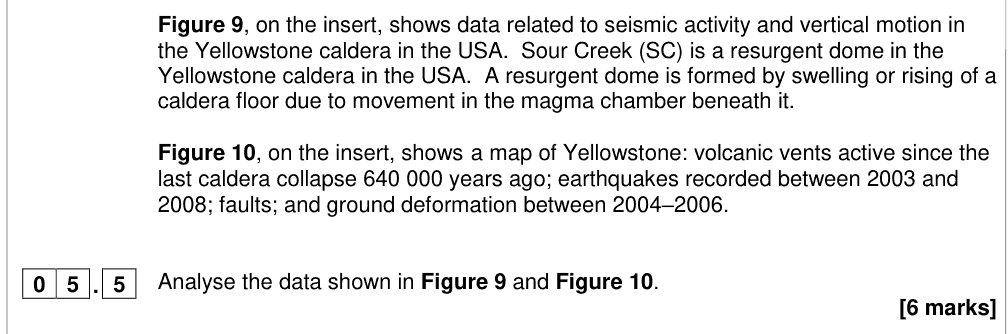
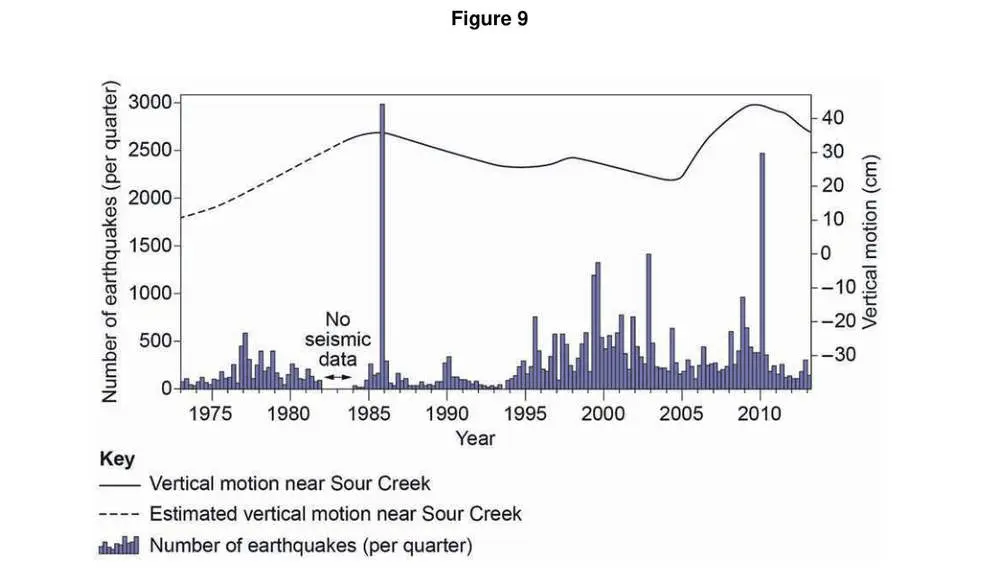
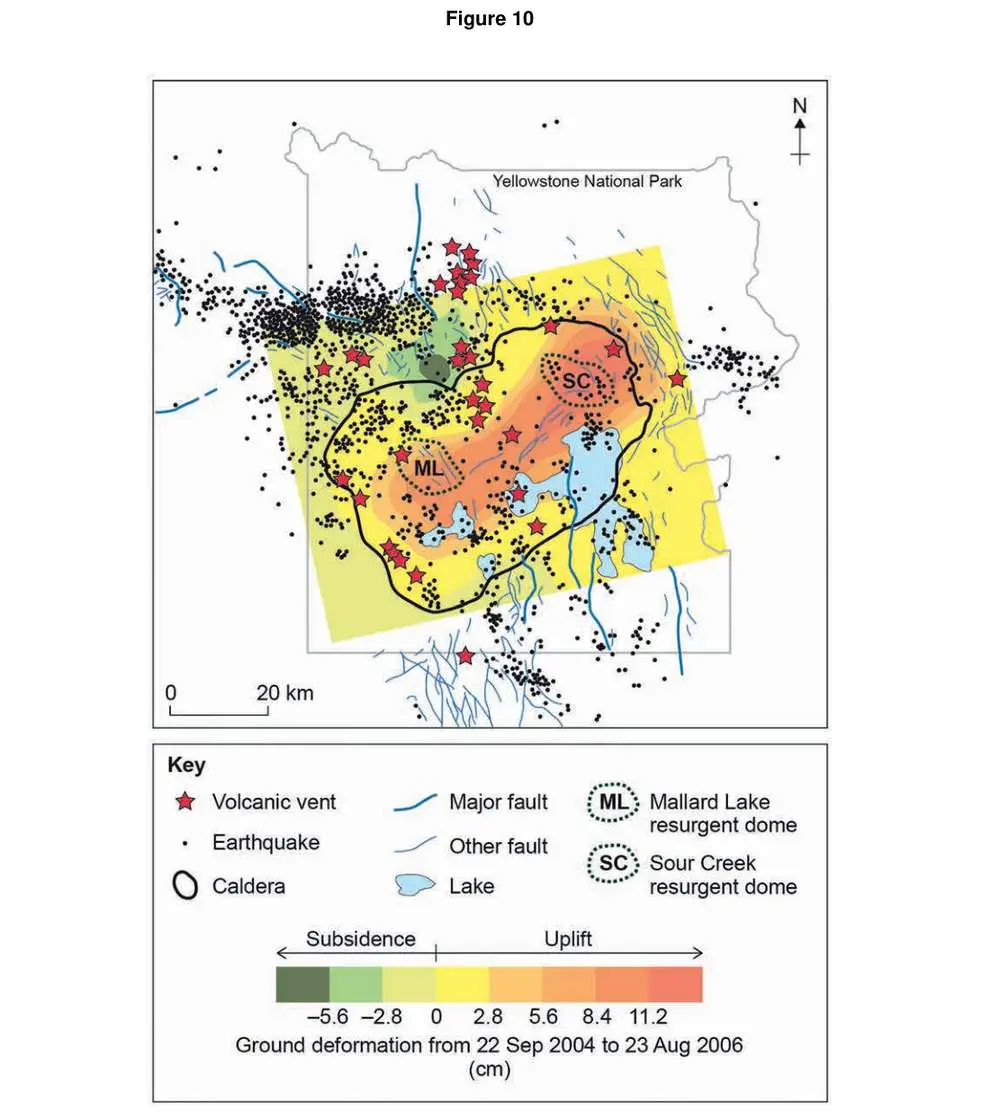
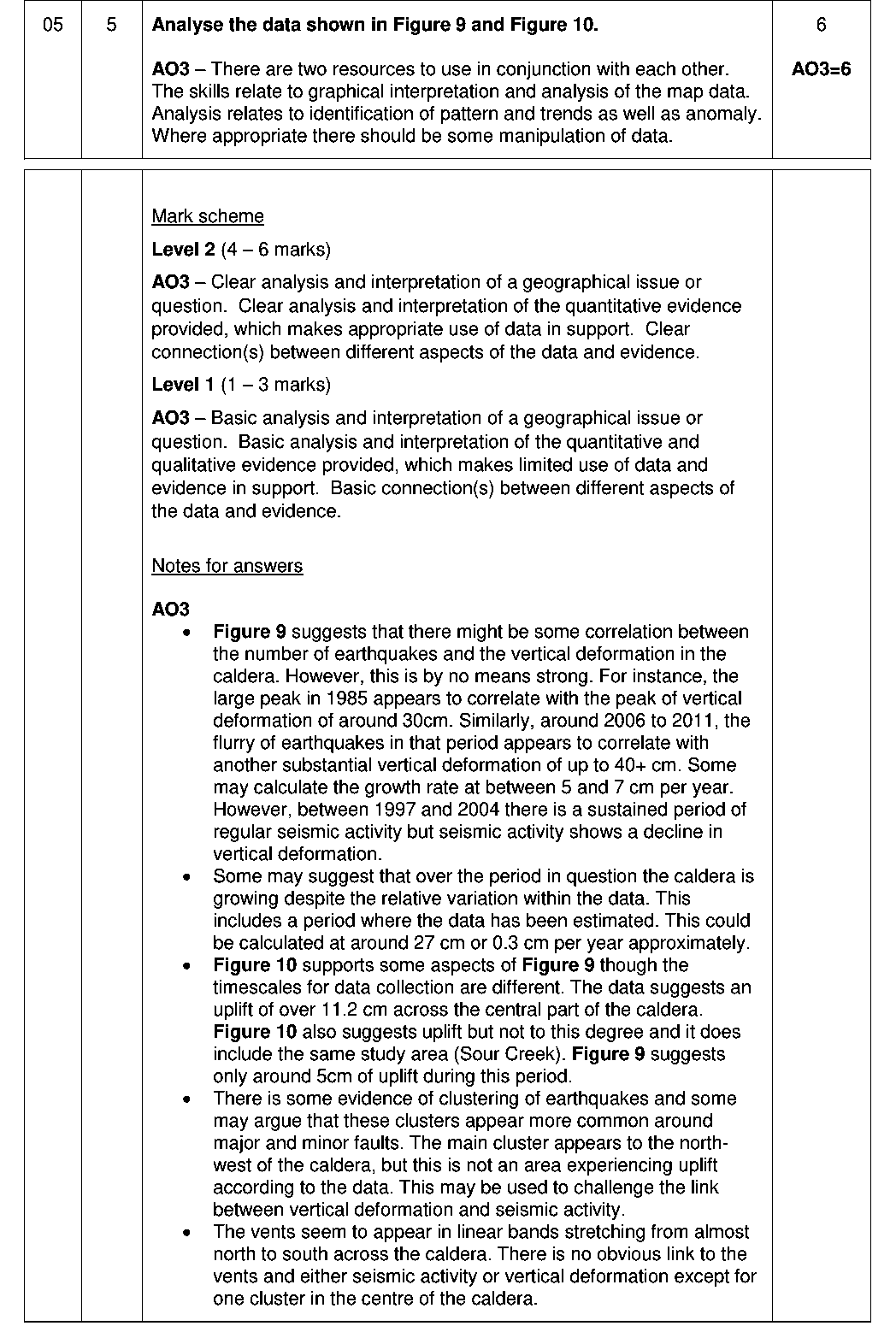
The main point here was the two sources showed overlapping information but also both showed information that the other did not. The best approaches tried to analyse was common between both resources. However there was credit for identifying links within each data set. For example in Figure 9, there was some evidence that uplift did occur following periods of more intense seismic activity. A basic link in Figure 10 was to see the correlation between the main faults and more intense seismic activity in the northwest of Yellowstone. The best answers looked closely at Sour Creek and tried to compare and contrast the two sets of information. As with the comparable option of 05.5, this was quite a challenging resource to access and process in a short amount of time.

The main issue here was in relation to what constitutes a primary and secondary impact of a volcanic eruption. Some failed to distinguish between them. More sophisticated responses suggested that it was not a matter of primary versus secondary but more an issue of where the event strikes. Links were then made to development and how different countries are able to respond according to economic factors. Case studies did feature, most notably the Icelandic Eruption of 2010 and Montserrat in 1997. These were generally incorporated well into the response. It was also important to note that students needed to form a view in relation to the context of the question. Some clearly forgot to do this.
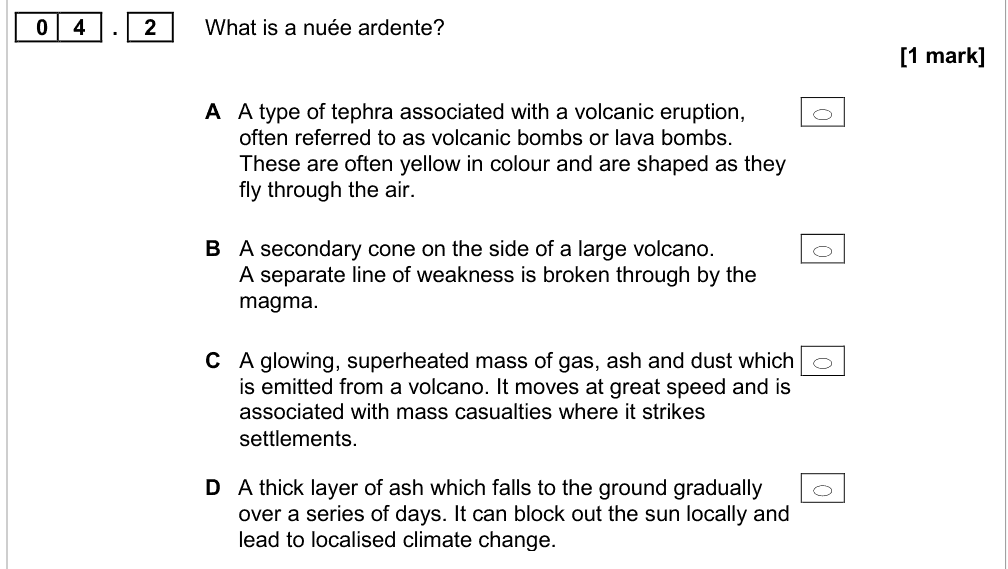
C
It was even more surprising to note that only 42% of responses knew that nuee ardente was option C.

Students generally engaged well with this question and it also differentiated well. 58% of students accessed Level 3, producing clear and focused (if not detailed) responses to the question set. It was impressive to note the number of case studies which were used to support responses. These were generally used well to support and exemplify but also to address the AO2 element. This required comparison between the two types of hazard. Students were free to argue either with the majority arguing that storm hazards present greater impact that volcanic hazards. Less impressive responses failed to compare and largely recited learned case studies with limited clarity. This constituted AO1 only and was held to a maximum of Level 2 as a partial answer.


Essays stuck in the middle levels, or losing marks on the data questions? Book a trial lesson with a specialist AQA Geography tutor.